Bluetooth Audio Is Gaining a Second Topology
Bluetooth audio has spent years becoming part of everyday life.
A phone sends music to earbuds. A laptop sends sound to headphones. A television connects to a speaker. The familiar model is personal and direct.
Auracast adds another model beside it.
Instead of creating a separate point-to-point audio session for each listener, a compatible transmitter can send one Bluetooth LE Audio broadcast. Compatible receivers inside range can discover that broadcast and join it.
That changes the shape of Bluetooth audio.
A phone can become a local audio source for several people. A television can publish its sound to nearby listeners. A public venue can offer an audio stream that visitors choose from their own compatible devices.
The Bluetooth SIG compares the concept to radio broadcasting, but at Bluetooth range and with modern device discovery around it.
The important shift is architectural.
Bluetooth no longer has to think only in pairs.
It can also think in broadcasts.
One Broadcast Can Reach Many Compatible Receivers
Auracast is designed around one-to-many audio.
The transmitter creates the broadcast once.
Compatible receivers nearby can then join that same broadcast without requiring the transmitter to create a dedicated audio stream for each listener.
That is why the Bluetooth SIG describes Auracast as supporting an unlimited number of in-range receivers at the broadcast relationship level.
The transmitter keeps sending the same broadcast.
Listener number two joins it. Listener number twenty joins it. A larger audience inside the same local area can join it as well, provided their receiving devices support the required Auracast capabilities.
This model is especially useful when the content naturally belongs to a group.
A family can listen together. A presentation can send audio to the audience. A museum tour can publish narration. A conference can offer a local program stream. A sports venue can make commentary available to compatible personal listening devices.
The audio source does not need to become a private connection partner for every person.
It becomes a broadcaster.
The Source, Receiver and Assistant Give Auracast a Clear Structure
Auracast becomes easier to understand when its roles are separated.
The source creates the broadcast.
That source might be a phone, television, public audio system or another Auracast-capable transmitter.
The receiver plays the audio.
That could be compatible earbuds, headphones or another Bluetooth LE Audio receiver.
Then there is the assistant.
The assistant helps discover nearby broadcasts and gives the receiver the information it needs to join. A phone or another compatible controller can perform this role.
This three-part structure is useful because the device that helps you choose the broadcast does not have to be the device that actually plays the sound.
A phone can display the available broadcasts.
The earbuds can receive the audio.
The venue or television can remain the source.
That separation gives Auracast a flexible architecture that works for both personal sharing and public spaces.
Joining a Broadcast Can Feel More Like Choosing Content
Auracast discovery changes the user interaction too.
A compatible source advertises information about its broadcast. That can include a name and details that help a nearby assistant identify what is available.
The user can then choose the broadcast they want.
The Bluetooth SIG compares this experience to selecting a Wi-Fi network in a public place.
That is a useful mental model.
Imagine standing in an airport with several local audio options. One broadcast carries a gate announcement. Another carries the sound from a television. A nearby conference room may have its own stream.
You are choosing content available in that location.
Android and device makers are extending that idea with QR codes and Fast Pair-based flows on compatible hardware.
That makes broadcast discovery part of the same interfaces people already use for Bluetooth audio.
The technology becomes easier to understand because the interaction matches the purpose.
Find the audio. Join it. Listen.
A Silent Television Can Become a Personal Audio Source
The silent-television example shows Auracast at its best.
Airports, gyms, hotel lobbies, waiting areas and sports bars often have several televisions running at once.
The screens are visible, but the room stays quiet.
Auracast gives the television another way to deliver its audio.
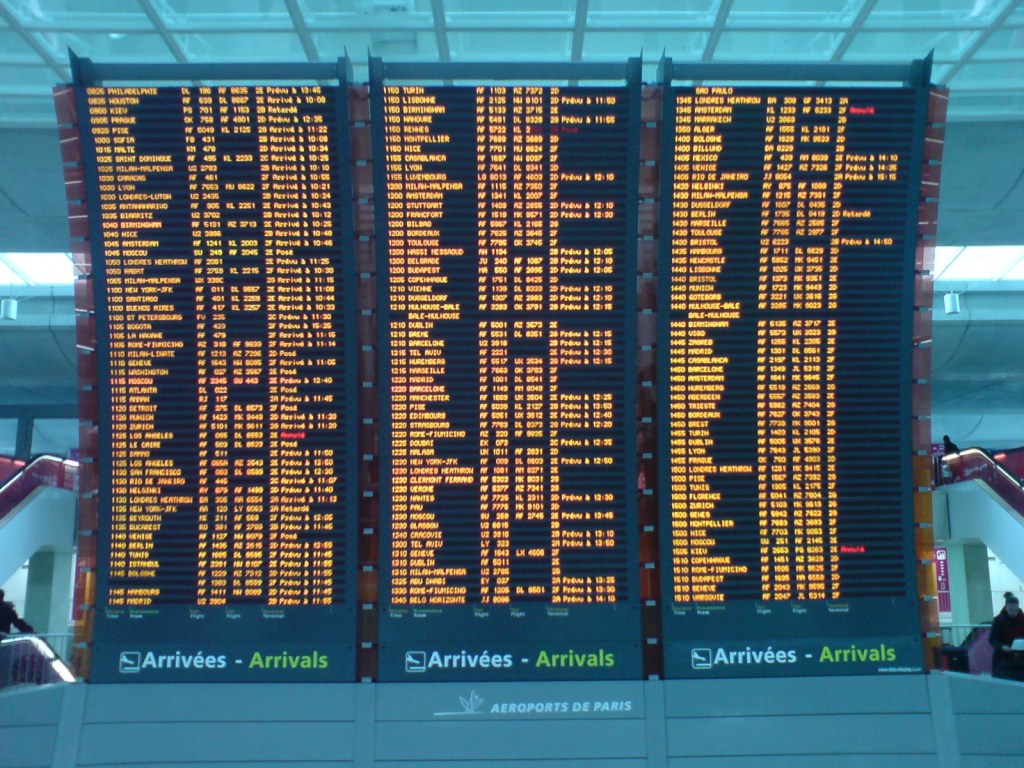
An Auracast-capable television or an attached compatible transmitter can broadcast the sound locally. A person wearing compatible earbuds can discover that broadcast and listen privately.
The screen stays silent for everyone else.
The listener still gets the program audio.
That changes the role of the television.
It becomes a local audio station for anyone nearby with a compatible receiver.
The same architecture can support multiple audio streams where the implementation provides them, opening the door to different program feeds or language options.
Auracast adds a new option: broadcast locally to the people who want to listen.
Public Spaces Can Publish Audio the Same Way They Publish Information
Auracast becomes even more interesting when the source is not a personal device.
A public venue can publish audio for people who are physically present.
The Bluetooth SIG highlights use cases including transportation hubs, museums, conference centers, public-address systems, tours and other public locations.
That creates a new layer of local information.
A museum can broadcast narration near an exhibit. A conference room can broadcast the presentation audio. A transportation hub can offer local announcements. A venue can publish a program stream that visitors join through their own compatible listening devices.
The physical space becomes part of the discovery model.
You walk into the location.
Your compatible device sees the broadcasts available there.
You choose what you want to hear.
That is different from ordinary internet streaming because the audio is tied directly to the place around you.
Auracast gives Bluetooth a way to turn nearby environments into discoverable audio spaces.
Auracast Can Support Both Open and Private Broadcasts
Broadcast audio can serve more than one kind of audience.
Auracast can support open broadcasts designed for easy discovery in a public location, and it can also support encrypted broadcasts that use access information such as a passcode.
That gives the same architecture two very different uses.
A public venue can make a broadcast available to anyone nearby with compatible equipment.
A family or group can create a private audio-sharing session and share the joining information only with the people they want to include.
Google’s Android sharing flows make this model practical by supporting QR-code and Fast Pair-based joining on compatible devices.
Samsung also supports Auracast broadcast creation on selected Galaxy devices, including the option to add a password to the broadcast.
The important point is flexibility.
The same Bluetooth broadcast architecture can be used for an open local station or a controlled group session.
The product decides which experience it wants to create.
Phones Can Become Personal Broadcast Stations
Auracast also changes what a phone can do with audio.
With supported LE Audio and Auracast features, the phone can become a local broadcast source.
That opens a simple group-sharing workflow.
One person starts the broadcast.
Other people nearby join with their own compatible earbuds or headphones.
The group can listen to the same audio through their own listening devices.
Google has expanded this direction through Android audio sharing on compatible devices, while Samsung exposes audio broadcasting on selected Galaxy hardware.
The phone remains personal computing hardware.
But for that moment, it also becomes local audio infrastructure.
That is a significant change in what Bluetooth audio sharing can mean.
Android Is Making Broadcast Audio Part of the Platform
A wireless standard becomes much more useful when the operating system understands it.
Android is moving Auracast in that direction.
Google has expanded Bluetooth LE Audio and Auracast support across compatible Android devices. Current Android implementations can discover broadcasts, share audio with multiple compatible listeners and use QR-code or Fast Pair-based joining in supported flows.
The Bluetooth SIG also points to Android 16 as part of the platform-level evolution around consistent Auracast discovery, connection and management.
That matters because the feature begins to move into the normal device experience.
The Bluetooth menu, the audio-sharing interface and the operating system can all understand the broadcast model.
Developers and device makers can then build products around a platform capability rather than inventing the full experience from scratch.
The standard provides the broadcast architecture.
Android provides a consumer software layer around it.
That combination is what turns a Bluetooth specification into something ordinary users can actually use.
Samsung Is Connecting Phones, Earbuds and Televisions Around Auracast
Samsung shows what Auracast looks like when several product categories support the same idea.
Its current documentation describes audio broadcasting on selected Galaxy phones and receiving through compatible Galaxy Buds. Samsung has also brought Auracast into selected television products, creating another source for local Bluetooth broadcast audio.
That gives the ecosystem several roles.
The phone can be the source.
The earbuds can be the receiver.
The television can become another broadcaster.
A compatible Galaxy device can help users discover and join the available audio.
This is the kind of product coordination Auracast needs to become visible.
The feature is not confined to one accessory.
It becomes a relationship between phones, listening devices and screens.
As more manufacturers implement the same Bluetooth broadcast architecture, that relationship can extend beyond one brand into the wider LE Audio ecosystem.
LE Audio Gives Auracast Its Technical Foundation
Auracast sits on top of Bluetooth LE Audio.
LE Audio introduced a broader Bluetooth audio architecture that includes the LC3 codec and support for broadcast use cases.
Auracast uses that foundation to create its one-to-many model.
The Public Broadcast Profile defines how broadcast audio can be exposed for public discovery. Other LE Audio components provide the underlying transport, codec and control mechanisms that make the experience possible.
This is why Auracast is larger than one sharing feature.
It is part of a wider Bluetooth audio generation.
Personal connections remain part of that generation. Broadcast audio becomes another part.
Manufacturers can therefore build products that support traditional private listening, modern LE Audio capabilities and broadcast participation inside the same overall Bluetooth ecosystem.
The platform gains another mode while keeping the audio experiences people already understand.
Bluetooth Audio Is Becoming Infrastructure for Places, Not Just Devices
The biggest change Auracast brings is the scale of the idea.
Bluetooth audio started as a personal wireless listening technology.
Auracast turns the same wireless family into something that can shape a room, a venue or a shared experience.
A phone can broadcast to a group.
A television can offer personal listening to people nearby.
A museum can publish a tour. A conference can publish program audio. A transportation hub can make local announcements discoverable through compatible personal devices.
The Bluetooth SIG is building the standards and profiles. Android is providing platform-level support. Samsung is connecting phones, earbuds and televisions around the model. Manufacturers across the audio and television industries are adding LE Audio and Auracast capabilities to new products.
That is how infrastructure begins.
First, the specification defines a new behavior.
Then devices support it.
Then operating systems make it easy to discover.
Then physical spaces can start using it.
Bluetooth audio can still be personal.
Now it can also be local and shared.
That is the upgrade.