Bluetooth Is Adding a New Question: How Far Away Is the Device?
Bluetooth already understands presence very well.
A phone can discover a nearby accessory. A smart lock can recognize an authorized phone. A tracker can know that another Bluetooth device is within radio range. A beacon can announce that it is nearby.
Channel Sounding adds another layer to that relationship.
Instead of stopping at presence, compatible Bluetooth LE devices can estimate the physical distance between them.
That sounds like a small change, but it changes what Bluetooth can be used for.
A lock can make an access decision from measured range. A tracker can tell an application how far away an item is. A phone and an IoT device can use distance as part of an interaction. A vehicle can use Bluetooth ranging as another input inside a digital-key system.
The Bluetooth SIG introduced Channel Sounding with Bluetooth Core 6.0 as a standards-based fine-ranging feature for Bluetooth LE.
The important part is that this is inside Bluetooth itself.
Products that already use Bluetooth for communication can now build distance awareness into the same broader wireless ecosystem.
Bluetooth used to answer: is the device here?
Channel Sounding adds the next answer.
It can tell the application how far away it is.
Phase-Based Ranging Turns the Bluetooth Radio Into a Measuring Tool
The first major part of Channel Sounding is Phase-Based Ranging, or PBR.
One Bluetooth device acts as the initiator. The other acts as the reflector. The devices exchange specially structured signals across multiple Bluetooth radio frequencies.
The system then looks at phase information from those exchanges.
Phase describes where a radio wave is inside its repeating cycle. When signals travel across distance, their phase relationship changes. By comparing measurements across multiple frequencies, the ranging system can estimate the distance between the two devices.
That is what makes Channel Sounding different from a simple proximity indicator.
The radio is being used as a measurement instrument.
The Bluetooth SIG describes Channel Sounding as a centimeter-level ranging technology, and its public material says early implementations have already demonstrated results around plus or minus 20 centimeters.
That figure comes from the Bluetooth SIG and represents early implementation results rather than a universal product specification.
The larger point is the capability itself.
Bluetooth LE can now carry a ranging procedure designed specifically to estimate physical distance.
That gives developers a new primitive to build into products.
Round-Trip Time Adds a Second Physical Measurement
Channel Sounding also includes Round-Trip Time, or RTT.
RTT measures the timing of an exchange between the initiator and reflector. The system sends ranging information, observes the round trip and uses that timing as another physical measurement connected to distance.
PBR and RTT therefore look at the same physical relationship from two different directions.
PBR works with phase across multiple frequencies.
RTT works with time.
Together, they give the ranging system more information about the space between the two Bluetooth devices.
The Bluetooth specification also uses cryptographically scrambled content in secure ranging procedures. Later Bluetooth Core updates continued developing this area: Core 6.2 added amplitude-based attack resilience, while Core 6.3 introduced additional ranging refinements including Inline PCT Transfer and PHY-specific RTT accuracy reporting.
That evolution is important because distance can become part of an access decision.
If a phone is being used as a digital key, the system can combine identity with physical range. If a connected machine should respond only when the authorized user approaches, distance becomes part of the interaction logic.
Channel Sounding gives Bluetooth a standards-based way to provide that measurement.
Centimeter-Level Ranging Opens a New Class of Bluetooth Applications
A distance measurement becomes much more useful when the resolution moves from general proximity into the centimeter-level range.
The Bluetooth SIG describes Channel Sounding around that goal and has reported early results around ±20 cm.
That creates a practical middle ground for many consumer and IoT products.
A smart lock does not need a satellite-navigation system to know that the authorized phone has reached the door. A connected accessory does not need a building-scale positioning system to know that the user has moved within a specific zone. A tracker can use measured distance as part of the final approach to an object.

The Bluetooth specification standardizes the ranging exchange while giving manufacturers room to build their own distance-estimation algorithms and product designs around it.
That is where companies such as Nordic Semiconductor, Silicon Labs and NXP enter the picture.
They are building silicon, development tools, reference implementations and localization features around Channel Sounding.
The standard defines the common radio behavior.
The chip vendors give device makers practical hardware and software to turn that behavior into products.
That is how a Bluetooth feature becomes an ecosystem.
Smart Access Is One of the Most Natural Uses
Access control is one of the clearest places where distance awareness matters.
A digital key system already knows who the user is through credentials, authentication and device identity.
Channel Sounding adds another piece of information: where the authorized device is relative to the lock or access point.
The Bluetooth Ranging Profile uses door locks and car locks as explicit examples.
A phone can approach the door. The lock and phone can perform a ranging exchange. The application can use the measured distance inside its access logic. When the user moves away, the same ranging capability can become part of the exit or locking workflow.
That creates a more spatial interaction.
The user does not have to think only in terms of tapping a button.
The system can understand approach, arrival and departure as physical events.
The same idea can extend beyond homes.
Vehicles, equipment rooms, office access, connected cabinets, industrial tools and shared devices can all use distance as another condition inside an authorized interaction.
Bluetooth was already present in many of those products.
Channel Sounding makes that Bluetooth connection more aware of space.
Item Finding Can Combine Distance With Other Bluetooth Positioning Tools
Finding a lost object is another obvious use case.
A tracker application can first establish that the tag is nearby. Then Channel Sounding can provide a more precise distance measurement as the user gets closer.
Bluetooth already has several positioning technologies that can work together.
RSSI can provide general proximity information. Bluetooth Direction Finding can provide angular information in supported designs. Channel Sounding adds fine distance ranging.
The Bluetooth SIG describes these technologies as complementary building blocks.
That allows developers to design a layered finding experience.
First, identify the general area.
Then measure the remaining distance.
Where direction-capable hardware is part of the product, combine angular information with the distance measurement for a richer navigation experience.
This is useful because item finding is not one problem from beginning to end.
Finding something across a building is different from finding it in the final few meters.
Channel Sounding gives Bluetooth a stronger tool for that final distance-aware stage.
Android 16 Turns Channel Sounding Into an Application Platform
A wireless feature becomes much more important when the operating system exposes it to application developers.
Android 16 does exactly that.
Google added a ranging module and the public RangingManager API. The framework can work with multiple ranging technologies, including Bluetooth Channel Sounding, Ultra-Wideband, Wi-Fi RTT and Bluetooth RSSI ranging.
That gives Android developers one platform-level place to reason about ranging capabilities.
Applications can query what the device supports and build proximity or distance-aware features around the available radio hardware.
For Bluetooth Channel Sounding, Android exposes capability and parameter classes through the public API. Its ranging specifications also define how Channel Sounding participates in Android’s broader ranging architecture.
This matters because it connects three layers that all have to exist before a radio technology becomes mainstream.
The Bluetooth specification defines the feature.
Chip vendors implement the hardware.
The operating system gives applications a supported way to use it.
By 2026, those three layers are beginning to line up.
Nordic, Silicon Labs and NXP Are Building the Hardware Layer
The chip ecosystem is moving with the standard.
Nordic Semiconductor publishes Channel Sounding support around its nRF54L Series and provides development material for Bluetooth LE ranging. Nordic has also demonstrated an nRF54L reflector working with a Google Pixel 10 through its open-source nRF Toolbox application.
Silicon Labs has built Channel Sounding development support and proximity-lock demonstrations into its Bluetooth tooling.
NXP is also positioning Channel Sounding for automotive and IoT use cases, including hardware designed around ranging and localization workflows.
These implementations matter because they make Channel Sounding available to product engineers.
A device maker does not need to start from a radio specification alone.
It can choose a Bluetooth platform, use the vendor’s SDK and ranging tools, connect that hardware to Android or another host system, and begin building a distance-aware product.
That shortens the path from specification to application.
The technology moves from a standards document into evaluation boards, SDKs, demos, phones and real product designs.
Bluetooth Core 6.2 and 6.3 Continue Developing the Ranging Stack
Channel Sounding did not stop with Bluetooth Core 6.0.
The Bluetooth SIG has continued developing the feature through later Core releases.
Bluetooth Core 6.2 added amplitude-based attack resilience to the Channel Sounding security architecture. Bluetooth Core 6.3 then added further ranging improvements, including Inline PCT Transfer and PHY-specific RTT accuracy reporting.
This tells us something important about the direction of the standard.
Channel Sounding is not being treated as a one-time feature addition.
The ranging stack is being refined as Bluetooth moves deeper into distance-aware applications.
That is especially relevant for access control and connected vehicles, where distance is not just something shown on a screen. It can become one of the inputs used by the product when deciding what should happen next.
The continued Core updates give hardware vendors and application developers a stronger foundation to build on.
Bluetooth is gradually turning ranging into a first-class capability of the platform.
The Ranging Profile Gives Products a Common Application Model
The Bluetooth Ranging Profile adds another important layer above the radio procedure.
A Core feature defines how the wireless exchange works.
A profile helps products use that capability in a more consistent application model.
Bluetooth SIG’s Ranging Profile 1.0 describes roles and procedures for products that want to expose ranging behavior through Bluetooth. It also uses practical scenarios such as door locks and car locks to show how distance can become part of a real interaction.
That common model helps the ecosystem scale.
Phone makers, chip vendors, accessory companies, smart-lock manufacturers and automotive suppliers can build around the same broader Bluetooth ranging architecture.
This is one of Bluetooth’s strengths as a platform.
The radio technology is only the beginning.
Profiles, operating-system APIs, qualified silicon and development tools give companies a shared path from radio measurement to user experience.
Channel Sounding is now moving through all of those layers.
Distance Awareness Can Fit Into Devices That Already Need Bluetooth
One of the most interesting things about Channel Sounding is where it can appear.
Many connected products already need Bluetooth LE for setup, communication, pairing or control.
A lock may already use Bluetooth to communicate with a phone. A tracker already needs Bluetooth to announce itself. A remote, sensor, appliance or vehicle accessory may already include Bluetooth as part of its core design.
Channel Sounding gives manufacturers a path to add fine ranging inside that same Bluetooth family when they select hardware that supports the feature.
That can make distance awareness practical across a wide range of product sizes and categories.
The Bluetooth SIG introduced Channel Sounding in Core 6.0, and the current hardware ecosystem is now exposing the feature through dedicated capabilities in supported radios.
Android’s ranging APIs can query those capabilities at the platform level.
The result is a clean product architecture.
Bluetooth can handle communication.
The same Bluetooth platform can also participate in distance measurement.
That is a powerful combination for small connected devices.
Bluetooth Is Becoming a Spatial Interface
The larger change is not only that Bluetooth can produce a number measured in centimeters.
It is that Bluetooth applications can begin understanding space.
A device can know that the user is approaching. A lock can know that the authorized phone has reached a defined range. A tracker can tell an application how far away the object is. A vehicle can combine identity and range. An IoT product can change behavior when another Bluetooth device enters a physical zone.
PBR provides fine distance measurement. RTT adds another physical ranging method. Core 6.2 and 6.3 continue refining the stack. The Ranging Profile gives products a common model. Android 16 exposes ranging to applications. Nordic, Silicon Labs and NXP are building the silicon and tools around it.
That is the pattern to watch.
The standard arrived.
Then the hardware arrived.
Then the operating-system API arrived.
Now product makers can turn distance into part of the user experience.
Bluetooth was already a communication layer between nearby devices.
Channel Sounding gives it something new.
A sense of distance.
That is the upgrade.
Bluetooth Audio Is Gaining a Second Topology
Bluetooth audio has spent years becoming part of everyday life.
A phone sends music to earbuds. A laptop sends sound to headphones. A television connects to a speaker. The familiar model is personal and direct.
Auracast adds another model beside it.
Instead of creating a separate point-to-point audio session for each listener, a compatible transmitter can send one Bluetooth LE Audio broadcast. Compatible receivers inside range can discover that broadcast and join it.
That changes the shape of Bluetooth audio.
A phone can become a local audio source for several people. A television can publish its sound to nearby listeners. A public venue can offer an audio stream that visitors choose from their own compatible devices.
The Bluetooth SIG compares the concept to radio broadcasting, but at Bluetooth range and with modern device discovery around it.
The important shift is architectural.
Bluetooth no longer has to think only in pairs.
It can also think in broadcasts.
One Broadcast Can Reach Many Compatible Receivers
Auracast is designed around one-to-many audio.
The transmitter creates the broadcast once.
Compatible receivers nearby can then join that same broadcast without requiring the transmitter to create a dedicated audio stream for each listener.
That is why the Bluetooth SIG describes Auracast as supporting an unlimited number of in-range receivers at the broadcast relationship level.
The transmitter keeps sending the same broadcast.
Listener number two joins it. Listener number twenty joins it. A larger audience inside the same local area can join it as well, provided their receiving devices support the required Auracast capabilities.
This model is especially useful when the content naturally belongs to a group.
A family can listen together. A presentation can send audio to the audience. A museum tour can publish narration. A conference can offer a local program stream. A sports venue can make commentary available to compatible personal listening devices.
The audio source does not need to become a private connection partner for every person.
It becomes a broadcaster.
The Source, Receiver and Assistant Give Auracast a Clear Structure
Auracast becomes easier to understand when its roles are separated.
The source creates the broadcast.
That source might be a phone, television, public audio system or another Auracast-capable transmitter.
The receiver plays the audio.
That could be compatible earbuds, headphones or another Bluetooth LE Audio receiver.
Then there is the assistant.
The assistant helps discover nearby broadcasts and gives the receiver the information it needs to join. A phone or another compatible controller can perform this role.
This three-part structure is useful because the device that helps you choose the broadcast does not have to be the device that actually plays the sound.
A phone can display the available broadcasts.
The earbuds can receive the audio.
The venue or television can remain the source.
That separation gives Auracast a flexible architecture that works for both personal sharing and public spaces.
Joining a Broadcast Can Feel More Like Choosing Content
Auracast discovery changes the user interaction too.
A compatible source advertises information about its broadcast. That can include a name and details that help a nearby assistant identify what is available.
The user can then choose the broadcast they want.
The Bluetooth SIG compares this experience to selecting a Wi-Fi network in a public place.
That is a useful mental model.
Imagine standing in an airport with several local audio options. One broadcast carries a gate announcement. Another carries the sound from a television. A nearby conference room may have its own stream.
You are choosing content available in that location.
Android and device makers are extending that idea with QR codes and Fast Pair-based flows on compatible hardware.
That makes broadcast discovery part of the same interfaces people already use for Bluetooth audio.
The technology becomes easier to understand because the interaction matches the purpose.
Find the audio. Join it. Listen.
A Silent Television Can Become a Personal Audio Source
The silent-television example shows Auracast at its best.
Airports, gyms, hotel lobbies, waiting areas and sports bars often have several televisions running at once.
The screens are visible, but the room stays quiet.
Auracast gives the television another way to deliver its audio.
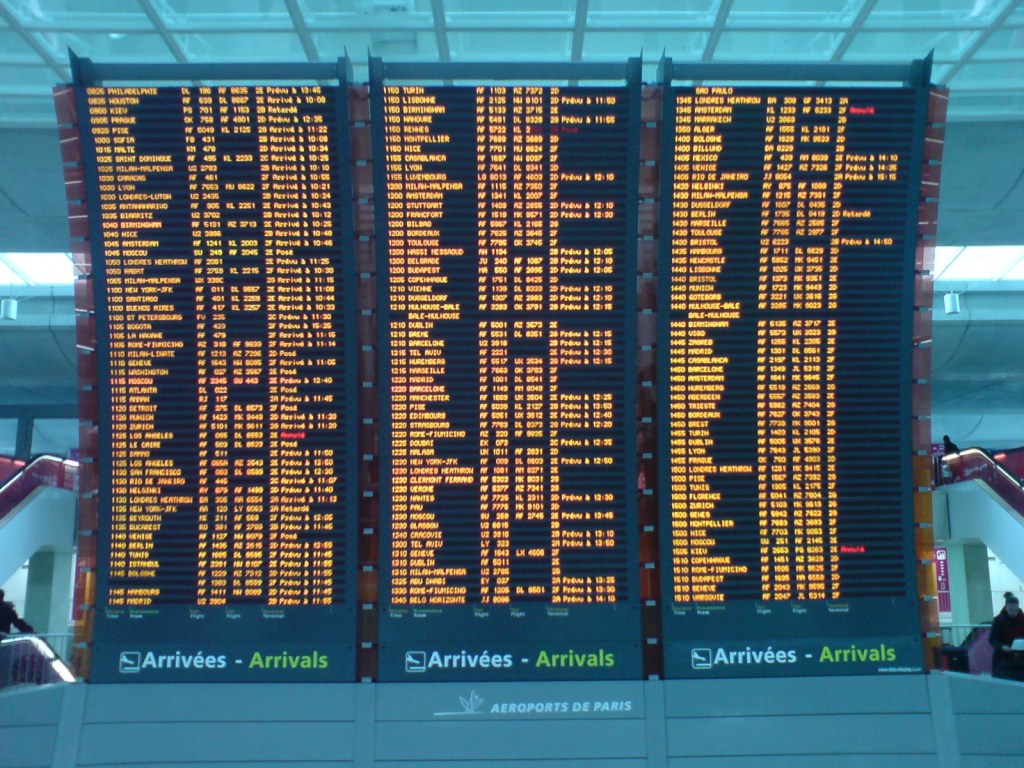
An Auracast-capable television or an attached compatible transmitter can broadcast the sound locally. A person wearing compatible earbuds can discover that broadcast and listen privately.
The screen stays silent for everyone else.
The listener still gets the program audio.
That changes the role of the television.
It becomes a local audio station for anyone nearby with a compatible receiver.
The same architecture can support multiple audio streams where the implementation provides them, opening the door to different program feeds or language options.
Auracast adds a new option: broadcast locally to the people who want to listen.
Public Spaces Can Publish Audio the Same Way They Publish Information
Auracast becomes even more interesting when the source is not a personal device.
A public venue can publish audio for people who are physically present.
The Bluetooth SIG highlights use cases including transportation hubs, museums, conference centers, public-address systems, tours and other public locations.
That creates a new layer of local information.
A museum can broadcast narration near an exhibit. A conference room can broadcast the presentation audio. A transportation hub can offer local announcements. A venue can publish a program stream that visitors join through their own compatible listening devices.
The physical space becomes part of the discovery model.
You walk into the location.
Your compatible device sees the broadcasts available there.
You choose what you want to hear.
That is different from ordinary internet streaming because the audio is tied directly to the place around you.
Auracast gives Bluetooth a way to turn nearby environments into discoverable audio spaces.
Auracast Can Support Both Open and Private Broadcasts
Broadcast audio can serve more than one kind of audience.
Auracast can support open broadcasts designed for easy discovery in a public location, and it can also support encrypted broadcasts that use access information such as a passcode.
That gives the same architecture two very different uses.
A public venue can make a broadcast available to anyone nearby with compatible equipment.
A family or group can create a private audio-sharing session and share the joining information only with the people they want to include.
Google’s Android sharing flows make this model practical by supporting QR-code and Fast Pair-based joining on compatible devices.
Samsung also supports Auracast broadcast creation on selected Galaxy devices, including the option to add a password to the broadcast.
The important point is flexibility.
The same Bluetooth broadcast architecture can be used for an open local station or a controlled group session.
The product decides which experience it wants to create.
Phones Can Become Personal Broadcast Stations
Auracast also changes what a phone can do with audio.
With supported LE Audio and Auracast features, the phone can become a local broadcast source.
That opens a simple group-sharing workflow.
One person starts the broadcast.
Other people nearby join with their own compatible earbuds or headphones.
The group can listen to the same audio through their own listening devices.
Google has expanded this direction through Android audio sharing on compatible devices, while Samsung exposes audio broadcasting on selected Galaxy hardware.
The phone remains personal computing hardware.
But for that moment, it also becomes local audio infrastructure.
That is a significant change in what Bluetooth audio sharing can mean.
Android Is Making Broadcast Audio Part of the Platform
A wireless standard becomes much more useful when the operating system understands it.
Android is moving Auracast in that direction.
Google has expanded Bluetooth LE Audio and Auracast support across compatible Android devices. Current Android implementations can discover broadcasts, share audio with multiple compatible listeners and use QR-code or Fast Pair-based joining in supported flows.
The Bluetooth SIG also points to Android 16 as part of the platform-level evolution around consistent Auracast discovery, connection and management.
That matters because the feature begins to move into the normal device experience.
The Bluetooth menu, the audio-sharing interface and the operating system can all understand the broadcast model.
Developers and device makers can then build products around a platform capability rather than inventing the full experience from scratch.
The standard provides the broadcast architecture.
Android provides a consumer software layer around it.
That combination is what turns a Bluetooth specification into something ordinary users can actually use.
Samsung Is Connecting Phones, Earbuds and Televisions Around Auracast
Samsung shows what Auracast looks like when several product categories support the same idea.
Its current documentation describes audio broadcasting on selected Galaxy phones and receiving through compatible Galaxy Buds. Samsung has also brought Auracast into selected television products, creating another source for local Bluetooth broadcast audio.
That gives the ecosystem several roles.
The phone can be the source.
The earbuds can be the receiver.
The television can become another broadcaster.
A compatible Galaxy device can help users discover and join the available audio.
This is the kind of product coordination Auracast needs to become visible.
The feature is not confined to one accessory.
It becomes a relationship between phones, listening devices and screens.
As more manufacturers implement the same Bluetooth broadcast architecture, that relationship can extend beyond one brand into the wider LE Audio ecosystem.
LE Audio Gives Auracast Its Technical Foundation
Auracast sits on top of Bluetooth LE Audio.
LE Audio introduced a broader Bluetooth audio architecture that includes the LC3 codec and support for broadcast use cases.
Auracast uses that foundation to create its one-to-many model.
The Public Broadcast Profile defines how broadcast audio can be exposed for public discovery. Other LE Audio components provide the underlying transport, codec and control mechanisms that make the experience possible.
This is why Auracast is larger than one sharing feature.
It is part of a wider Bluetooth audio generation.
Personal connections remain part of that generation. Broadcast audio becomes another part.
Manufacturers can therefore build products that support traditional private listening, modern LE Audio capabilities and broadcast participation inside the same overall Bluetooth ecosystem.
The platform gains another mode while keeping the audio experiences people already understand.
Bluetooth Audio Is Becoming Infrastructure for Places, Not Just Devices
The biggest change Auracast brings is the scale of the idea.
Bluetooth audio started as a personal wireless listening technology.
Auracast turns the same wireless family into something that can shape a room, a venue or a shared experience.
A phone can broadcast to a group.
A television can offer personal listening to people nearby.
A museum can publish a tour. A conference can publish program audio. A transportation hub can make local announcements discoverable through compatible personal devices.
The Bluetooth SIG is building the standards and profiles. Android is providing platform-level support. Samsung is connecting phones, earbuds and televisions around the model. Manufacturers across the audio and television industries are adding LE Audio and Auracast capabilities to new products.
That is how infrastructure begins.
First, the specification defines a new behavior.
Then devices support it.
Then operating systems make it easy to discover.
Then physical spaces can start using it.
Bluetooth audio can still be personal.
Now it can also be local and shared.
That is the upgrade.