
Published Aug 19, 2026
Making a phone thinner sounds cosmetic until battery space, cameras, silicon, thermals and structural strength all have to fit around the same decision.
What's New
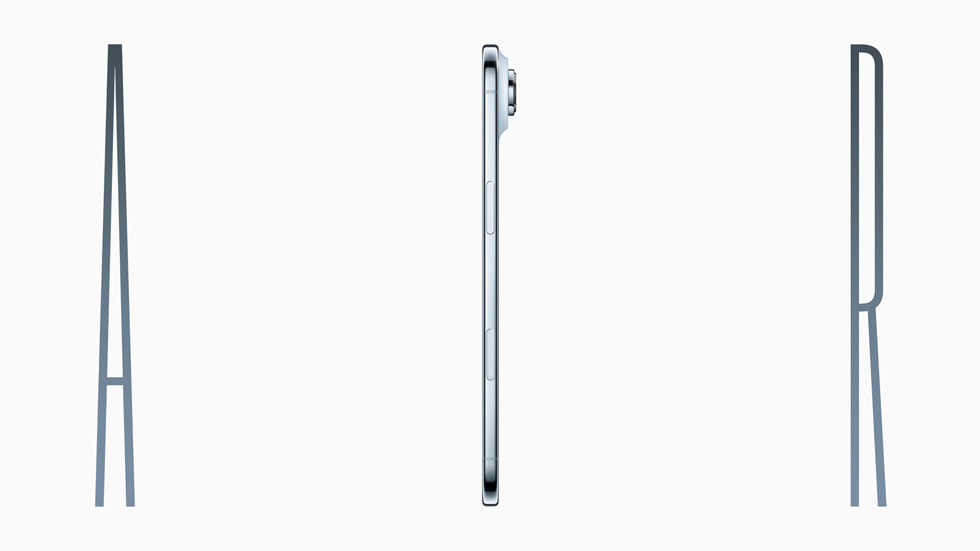
Apple introduced iPhone Air at 5.6mm thick with a 6.5-inch ProMotion display, A19 Pro, N1 and C1X chips, a 48MP Fusion Main camera and an 18MP Center Stage front camera. Apple says the internal architecture uses a raised plateau for key components so more space can be dedicated to the battery.
Why It Matters
The interesting part is not simply that the phone is thin. Thinness becomes an architectural constraint that affects where components live and how much space remains for power, cameras and cooling. That makes iPhone Air a useful example of industrial design shaping the engineering underneath it.
What Happened
Apple treated Air as a separate form factor rather than only a lighter version of the standard iPhone, while still using current-generation Apple silicon and a 48MP main camera system.
What's Next
The real test is long-term use: battery endurance, sustained performance, heat management and whether users notice the compromises required to get the body this thin.
TUF Take
Thinness is not the upgrade. Making the compromises disappear in daily use would be the upgrade.